Living as a Widow and Navigating Menopause in Old Age
When grief meets a changing body, every woman deserves compassion, understanding, and support.
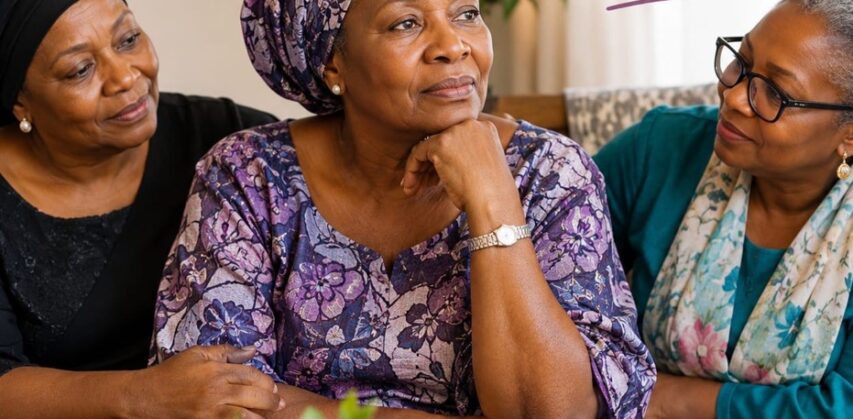
Growing older brings changes that are not always easy to discuss. For a woman who has lost her husband, the experience can become even more challenging. Alongside grief, loneliness, and new responsibilities, she may also be navigating menopause and the physical and emotional changes that accompany it.
Imagine a woman who once shared her worries, daily routines, and quiet moments with her husband. Now, she must adjust to life without him while experiencing hot flashes, disrupted sleep, mood changes, or other menopausal symptoms. She may feel overwhelmed, yet hesitate to speak about her struggles because she believes she must remain strong for everyone else.
This is a reality that deserves greater attention.
The Challenges Behind The Silence
Widowhood can affect a woman’s emotional wellbeing, social connections, and financial security. Menopause, which commonly occurs between the ages of 45 and 55, can bring symptoms that vary from one woman to another. When these experiences overlap, the need for understanding and support becomes particularly important.
Some women may struggle with loneliness or anxiety. Others may face difficulties accessing healthcare, paying for basic needs, or finding someone with whom they can speak openly. Cultural expectations and the stigma surrounding ageing, grief, and women’s health can make seeking help even harder.
Yet neither widowhood nor menopause diminishes a woman’s worth, identity, or potential.
What Support Should Look Like?
Supporting older widows means looking beyond material assistance. It means creating opportunities for women to discuss their health, connect with others, access appropriate medical care, and receive emotional support without embarrassment or judgment.
Families, communities, healthcare professionals, and NGOs all have a role to play. A simple conversation, a health-awareness programme, a support group, or assistance in accessing professional care can make a meaningful difference.
At Deborah Women Initiative Foundation, we believe that every woman deserves to be treated with dignity throughout every stage of life. Older women should not have to suffer in silence or feel forgotten because of their age or circumstances.
Let us build communities where widows can find companionship, access information about their health, and receive the practical support they need to live with confidence and dignity.
A woman’s story does not end with the loss of her husband, and aging should never mean losing the right to care, connection, and a fulfilling life.
Together, we can help ensure that every woman is seen, heard, and supported.
Disclaimer: This article provides general awareness, not medical advice. Women experiencing troublesome menopausal symptoms should consult a qualified healthcare professional.